[@alux] 15 Things Poor People Do That The Rich Don't (2025)
![[@alux] Summarizer](https://summaries.pages.dev/img/logo.webp)
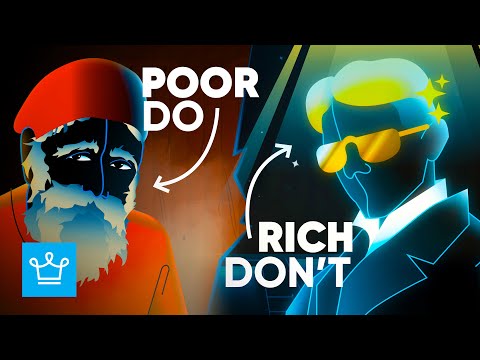
Link: https://youtu.be/9B4ErMD95wI
Short Summary
This YouTube video identifies 15 common habits of people struggling financially, arguing that poverty is often a result of daily choices, such as excessive TV watching, poor diet, and a lack of financial literacy. It encourages viewers to adopt the habits of the wealthy, like prioritizing education, saving money, and taking responsibility for their circumstances, to break the cycle of poverty.
Key Quotes
Okay, here are 4 quotes from the transcript that I found particularly insightful or representative of the video's core message:
-
"As uncomfortable as it sounds, you know, poverty is often a choice, and you're choosing it every day with the little things you do." - This quote sets the tone for the entire video and is a provocative statement that is designed to challenge people's perception about economic hardship.
-
"What you're not changing, you are choosing." - This quote highlights the idea of personal responsibility and how inertia in life can be a very real problem.
-
"Poor people are forever spectators, never players. You choose to escape reality into worlds where others are winners instead of winning yourself. Rich people try to get on TV because people like you will make them even richer. Poor people are consumers. Rich people are creators. We live in a world where we vote with our attention. And what you're watching, you're reinforcing." - This quote highlights the passive role that those struggling with poverty typically undertake in their lives.
-
"The paradox is it'll take two or three times the same effort later on in life just to stay afloat than it does right now while you're young. So, you're on the clock here." - It addresses a potential feeling of overwhelm many struggling with poverty may encounter and reminds people to tackle problems early.
Detailed Summary
Here's a detailed summary of the YouTube video transcript, presented in bullet points, highlighting the key topics, arguments, and information discussed:
Overall Theme:
- The video discusses 15 (plus a bonus) habits and behaviors that are more common among people with lower incomes compared to wealthier individuals, arguing that these choices contribute to a cycle of poverty. It emphasizes that overcoming poverty requires conscious effort and a change in mindset.
Key Topics and Arguments:
-
Introduction:
- Poverty is often a choice made through daily habits and behaviors.
- The list is compiled from the experiences and observations of mentors and millionaire friends.
-
The 15 Things Poor People Do That The Rich Don't:
-
Excessive TV Consumption:
- Poor people watch significantly more TV (12x more than those earning over $150k) due to escapism into others' successes.
- Reality TV, sports obsession, and "get ready with me" videos are considered unproductive.
- Rich consume news to stay informed, and understand the market.
- Rich people are creators, poor people are consumers.
-
Eating More Fast Food:
- Fast food leads to poor brain development, fatigue, and an inability to problem-solve.
- Linked to health problems, lower sex drive, and reduced lifespan (14.6 years less on average for the bottom 1% income).
- Poor people tend to spend money on vices like alcohol and cigarettes.
- Healthy food is expensive, but so are vices.
-
Buying Things on Sale Just Because They're on Sale:
- Buying things because they are on sale, instead of needing them.
- Poor people tend to buy items on sale that they don't need, tricked by the "discount".
- Perception of "saving" money when actually spending it unnecessarily.
- You buy cheap, you buy twice.
- Poor people spend themselves into poverty.
- Stocks are the only thing that should be bought on sale.
-
Waking Up Later:
- Rich people tend to be early risers, using their time productively.
- Building wealth requires consistent effort over a long period (7-10 years).
- Poor people lack motivation early in life, while peers are working.
- Early rising is a benefit only when combined with productivity.
-
Blaming Others for Misfortunes:
- Poor people often see themselves as victims and make excuses.
- They lack personal responsibility for their choices.
- Staying poor requires effort and poor choices, even when starting poor.
- Rich people learn from mistakes and adjust.
- Rich people become rich because they learn from failures.
-
Having No Money Saved:
- Two parts: controlling money and how having no money saved makes you poorer over time.
- Inability to manage income and expenses to create a surplus.
- Lack of savings leads to borrowing at interest during emergencies, impacting earning potential.
- Missed opportunities to acquire assets at a good price.
-
Not Understanding How Credit Works:
- Credit is debt, and poor people use it to buy depreciating assets or things that cost them money.
- Debt is modern-day slavery.
- Buying things on credit you cannot afford.
- Living beyond means leads to anxiety and depression.
- The rich buy things that grow in value, the poor buy things that depreciate.
-
Spending Money Before They Get It:
- Spending money that hasn't been earned yet worsens financial struggles.
- The poorest people spend more in a month than they earn in that month.
- Robs the future self.
-
Postponing Problems (Health & Technical):
- Avoiding preventative care or repairs leads to bigger, more expensive problems later.
- Problems grow bigger over time.
-
Spending Money on Anything But Education:
- Poor people view financial education as a scam.
- Investing in knowledge and skills yields the highest ROI.
- Rich people use money to buy expertise and save time.
- Recommendation of the Alux app for access to high-level advice at a lower cost.
-
Hanging Out With Other Poor People:
- You become the average of the five people you spend most time with.
- Poor friends normalize poverty and offer bad financial advice.
- Surrounding yourself with people who have limiting beliefs.
-
Having More Kids Earlier in Life:
- Early parenthood limits risk-taking and productive time investment.
- Poorer people often have kids early and out of wedlock.
- Married people earn on average 26.2% more.
-
Expecting Others to Pull Them Out of Poverty:
- Delusional thinking that others are responsible for their well-being.
- Waiting for someone to save them instead of taking initiative.
-
Trading Their Future for the Present (Lack of Delayed Gratification):
- Poor people prioritize immediate gratification over long-term planning.
- Different classes of people living paycheck to paycheck, quarter to quarter, and decade to decade.
- "You only live once", "Treat yourself", "I can make the money back later".
-
Hating the Rich:
- You cannot become what you hate.
- Poor people justify by labeling rich people as evil.
- Obsession with criminals.
- Making money is something you learn, and it is easier than ever to build wealth legally.
-
-
Bonus: Religious Beliefs
- Poor people are often more religious and rely on faith for help, while rich people create their own heaven on earth.
- Religious poor people love the Bible because it is the only book that they get for free.
- The video encourages making heaven on earth and making the most of the present opportunity.
-
Conclusion:
- There are many millionaires from diverse backgrounds, proving success is possible.
- The video aims to inspire viewers to take action and improve their lives.
- Call to action to download the Alux app with a discount for loyal viewers.
- Encouragement to write "rich" in the comments for viewers who watched the entire video.