[@ChrisWillx] The #1 Supplement To Improve Brain Function - Dr Daniel Amen
![[@ChrisWillx] Summarizer](https://summaries.pages.dev/img/logo.webp)
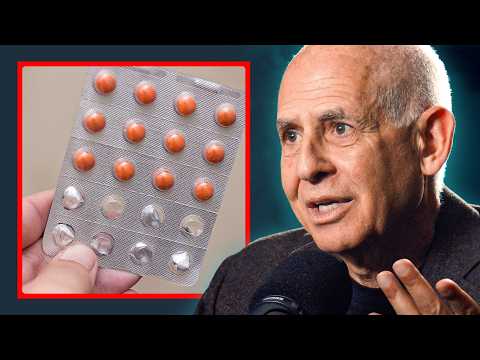
Link: https://youtu.be/eEbBa3_xLM8
Short Summary
Number One Action Item/Takeaway: Consider supplementing with saffron, as it has shown to be as effective as some antidepressants in studies with fewer side effects, and it may even improve sexual function unlike some antidepressants.
Executive Summary: The speaker recommends several supplements for mood, memory, and pain, with saffron being their top choice due to its antidepressant-like effects and potential benefits for sexual function. Other potentially beneficial supplements mentioned include omega-3 fatty acids, zinc, curcumin, SAMe, theanine, a multivitamin with vitamin D, methylated B6, B12, and folate, ashwagandha, and magnesium.
Key Quotes
Here are four direct quotes from the transcript that represent valuable insights and interesting data points:
- "So the spice, the most expensive spice in the world, has been shown in 26 randomized controlled trials to be equally effective as anti-depressants with fewer to virtually no side effects."
- "Interestingly, when you added zinc to anti-dopressants, dramatically improved their effectiveness. That's so interesting. When you added curcumins from turmeric to anti-depressants, dramatically increased its effectiveness."
- "Did you know women have 52% less serotonin than men? ... and why women are at twice the risk of depression as men, the predisposition to rumination, to being stuck on thought patterns."
- "I published a study on 46,000 brains and looking at differences between male and female brains and women have much better frontal lobe function which is why they go to jail 14 times less than men do."
Detailed Summary
Here's a summary of the YouTube video transcript, focusing on the key topics, arguments, and information related to supplements and mental/physical well-being:
- Omega-3 Fatty Acids: Beneficial for mood, memory, and pain.
- Saffron:
- Highly effective for mood.
- 26 randomized controlled trials show equal effectiveness to antidepressants with fewer side effects.
- Mechanism: Increases multiple neurotransmitters and decreases inflammatory markers.
- Also improves sexual function (unlike many antidepressants).
- A recent study comparing supplements against antidepressants for depression found saffron to be the best alone.
- Zinc, Curcumin & Anti-depressants:
- Adding zinc to antidepressants dramatically improves their effectiveness.
- Adding curcumin (from turmeric) to antidepressants dramatically increases their effectiveness.
- SAMe: Effective for pain and mood.
- 5-HTP:
- Not as effective as saffron in studies.
- Can be used to specifically boost serotonin.
- Women have 52% less serotonin than men, which can contribute to increased risk of depression and rumination (being stuck on thought patterns).
- Women have better frontal lobe function, leading to less risk-taking behavior and lower incarceration rates.
- L-Theanine:
- Beneficial for anxiety and focus.
- Multiple Vitamin:
- Especially important with Vitamin D.
- Low vitamin D levels are associated with many negative health outcomes.
- B6, B12, and folate are important.
- Methylated forms (methylfolate) are preferred, as a significant portion of the population has genetic predispositions that hinder folate processing.
- B12 Injections can bypass genetic hurdles that hinder oral consumption, can result in improved energy levels.
- Ashwagandha: Boosts testosterone levels and has a calming effect.
- Magnesium:
- Different types have different uses:
- Oxide: For constipation.
- Glycinate: For sleep.
- Taurate: For muscle twitches.
- Many people are deficient in magnesium.
- Considered a simple intervention before resorting to psychiatric medications.
- Different types have different uses:
- Supplements vs. Medications: Argues for exploring supplements as a first step, but acknowledging medications may still be necessary. Doctors often lack training in supplements, leading to a bias toward medication.