[@ChrisWillx] What Makes Someone Cool? (according to science)
![[@ChrisWillx] Summarizer](https://summaries.pages.dev/img/logo.webp)
Link: https://youtu.be/v81BQiKQ6Zk
Short Summary
Most Important Action Item/Takeaway:
Be authentic. Trying to be cool is counterproductive and can damage your credibility.
Executive Summary:
Coolness is less about manufactured image and more about intrinsic qualities like autonomy, adventurousness, and openness. While traits like extroversion and charisma can contribute, authenticity is key; attempts to fake coolness often backfire. Ultimately, genuine self-expression and originality are more effective in establishing a desirable presence.
Key Quotes
Here are four quotes extracted from the transcript that represent particularly valuable insights:
- "So, the actionable thing about cool is like not talking."
- "Coolness works differently. If people think you're trying to be cool, you lose credibility."
- "Coolness in this sense might function as a kind of cultural status marker, a reward for being bold, open-minded, and innovative. It's not just about surface style. It's about signaling that you're actually ahead of the curve and that other people should pay attention."
- "The problem with cool people is they're unpredictable... Yeah, they do their own thing."
Detailed Summary
Here's a detailed summary of the YouTube video transcript, focusing on the key topics and arguments discussed:
-
Initial Discussion: Coolness as Silence/Restraint:
- The initial idea presented is that "coolness" is linked to not talking or over-explaining oneself.
- The speakers admit they are "uncool" because they talk and think too much.
- Trying to be cool often results in being "cringe" and inauthenticity.
-
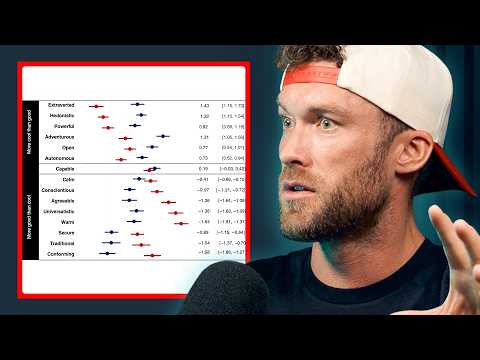
Study on Coolness (5,000+ people in 12 countries):
- Study reveals that "cool" has a surprisingly consistent meaning across diverse cultures.
- Coolness seems to be tied to a specific psychological profile.
-
Key Traits of "Cool" People (According to the Study):
- Extroverted: Outgoing and social
- Hedonistic: Seeks pleasure and enjoyment
- Adventurous: Takes risks, tries new things
- Open: Curious and open to new experiences
- Powerful: Influential and charismatic
- Autonomous: Does things their own way
-
Aloofness and Rarity as a Factor:
- Rarity and aloofness contribute to coolness (e.g., Denzel Washington not being on Instagram).
- Too much accessibility can diminish coolness; something becomes boring when it is ubiquitous.
-
Cool vs. Good:
- The study differentiated between "cool" and "good."
-
Traits of "Good" People:
- Conforming, traditional, secure, warm, agreeable, universalistic, conscientious, and calm.
- Reliable, predictable, and hardworking.
-
Key Differences Between "Cool" and "Good":
- Cool people are unpredictable. Good people are more predictable and reliable.
-
Popularizing Cool & Counterculture:
- The discussion touches on how "cool" can be commercialized and popularized, sometimes to the detriment of the original idea (e.g., Nirvana, the hippie movement) or the detriment of the artist.
- Counterculture is often inherently "cool."
-
Overexposure and Loss of Coolness:
- A clothing brand (Represent Owners Club) decided to discontinue a popular line to avoid overexposure and preserve its "cool" factor.
- Too much exposure can diminish the aura of coolness.
-
Cool Friend vs. Good Friend:
- The speakers ponder why people are drawn to coolness despite often preferring "good" qualities in friends.
-
Shared Attribute: Capability:
- The study found that "capability" (power and conscientiousness) was the only attribute equally associated with both cool and good.
-
Authenticity is Crucial:
- Trying to be cool usually backfires and hurts credibility.
- Coolness is about autonomy, originality, and not caring about fitting in.
-
Coolness as a Social Function:
- Coolness may be an adaptive social function, rewarding boldness, open-mindedness, and innovation.
- Cool individuals can push boundaries and introduce new ideas.
-
Authenticity, Status and Respect:
- To be respected for authenticity, status is required. The authentic self needs to be "worthwhile looking at".