[@lexfridman] Oliver Anthony: Country Music, Blue-Collar America, Fame, Money, and Pain | Lex Fridman Podcast #469
![[@lexfridman] Summarizer](https://summaries.pages.dev/img/logo.webp)
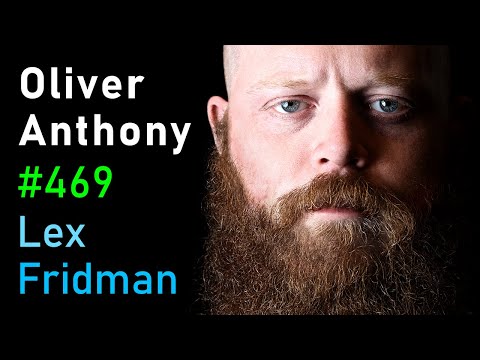
Link: https://youtu.be/4OyB3hFb2AA
Short Summary
Here's the requested information based on the provided transcript:
Number One Action Item/Takeaway:
Actively seek out real-world human connection and community building, particularly in spaces and activities disconnected from corporate influence and digital distraction, in order to combat loneliness and foster a sense of purpose and shared humanity.
Executive Summary:
Oliver Anthony emphasizes the importance of resisting the dehumanizing forces of corporate structures and digital isolation by prioritizing authentic human connection and community. He champions the value of supporting local communities, creating alternative spaces for music and shared experiences, and remembering the foundational ideals of freedom and equality. Ultimately, Anthony believes that re-establishing genuine relationships and finding purpose outside of the virtual world is essential for addressing widespread feelings of loneliness and restoring a sense of shared humanity.
Key Quotes
Here are four quotes from the Oliver Anthony interview that stand out for their insight and emotional impact:
- "Professionalism in like applying the tactics of corporate America to anything that is yeah baseline artistic is not going to end well." (This speaks to the tension between commercial interests and artistic integrity, a theme that resonates throughout the interview.)
- "It's pretty easy to kind of turn yourself into a robot for eight or 10 hours a day out of fear of it's like you don't want to be yourself too much because maybe part of yourself isn't something that's accepted in this like dystopian nightmare that you go to work at every day." (This quote powerfully captures the feeling of alienation and suppressed identity experienced by many workers in the modern corporate world.)
- "There's always more of us than there will be of them. There's always more nobodies than there ever will be people at the top. We just have to figure out what to do with that and how to..." (This reflects Anthony's populistic message and belief in the power of ordinary people to effect change.)
- "Especially with men that commit suicide, it's a prolonged period of that. It's not like they just wake up one day and they have a bad day and they kill themselves. It's like you self-reflect negatively about yourself and your life and you don't do the things that you're supposed to do every day for a long enough period of time." (This is a stark and honest observation about mental health struggles, particularly among men, and the slow accumulation of negativity that can lead to tragic outcomes.)
Detailed Summary
Here's a detailed summary of the Oliver Anthony interview on the Lex Fridman Podcast, presented in bullet points:
Key Topics:
- Oliver Anthony's Background and Rise to Fame:
- Explores Anthony's identity as Christopher Anthony Lunsford and his choice to use "Oliver Anthony" as a tribute to his grandfather and his Appalachian roots.
- Highlights his sudden fame with "Rich Men North of Richmond" and how his music resonates with the struggles of the working class.
- Discusses Anthony's grounded personality and commitment to representing the "downtrodden."
- Early Musical Experiences:
- His early, often embarrassing, performances at open mics in "shady bars".
- Playing cover songs in bars, focusing on tunes that get people singing along (e.g., "Fishing in the Dark," Hank Williams Jr. songs, David Allan Coe).
- Mention of mandolin player Johnny Stats as an example of an artist who maintains joy and humility despite opportunities for fame.
- Critique of the Music Industry & Corporate Influence:
- Discusses how commercialized country music prioritizes what sells over what matters.
- Expresses concern over corporate America's tactics being applied to artistic endeavors, stifling creativity and authenticity.
- Highlights the fear within corporate structures that leads to conformity and a lack of genuine human expression.
- Dehumanization in Corporate Structures:
- Describes the feeling of turning into a "robot" to survive in a corporate environment, suppressing individuality and genuine expression.
- Argues that corporate HR-like thinking has permeated society.
- Mentions the concept of "quiet quitting" and how it demonstrates a lack of engagement and ultimately harms companies.
- Importance of Leadership & Authenticity:
- Emphasizes the need for authentic leaders who inspire belief and motivation in their teams.
- Relates personal experiences of corporate dysfunction and how it impacts morale and efficiency.
- Alludes to the need for "unique characters" in the music industry to revolutionize it and cut through the "bullshit".
- The Burden of Influence & Navigating Fame:
- Anthony acknowledges the weight of having a platform and the ability to influence others.
- Expresses discomfort with being lied about and misrepresented, especially given his general optimism about humanity.
- Describes feeling like an "idiot" despite others telling him he's correct, leading to a desire to hide.
- Discusses the disorientation and loneliness that can accompany fame and attacks.
- Managing Friendships & Personal Relationships After Fame:
- Acknowledges that fame changes interactions with friends and family.
- Expresses a need for friends who can still "bust his balls" and treat him normally.
- Feels more comfortable being "roasted" by celebrity friends like Joe Rogan.
- Politics and the Need for a "Tornado":
- Expresses discomfort with being labeled as political but acknowledges the need to address societal problems.
- Argues that people arguing about politics online are often trapped in their own echo chambers and are arguing over symptoms.
- Calls for a "tornado" to disrupt the political system and focus on core issues affecting quality of life.
- The Dangers of the Crowd:
- References Kierkegaard's idea that "the crowd is untruth."
- Suggests that crowds can lose individual humanity and conform to narratives that suppress honesty.
- Describes his crowds at shows as almost "revolutionary".
- Argues that "Rich Men North of Richmond" resonated with people from different political backgrounds, a potential "terrifying thing" for those who benefit from division.
- Walking Away from Multi-Million Dollar Offers:
- Explains his decision to turn down lucrative record deals, motivated by the desire to avoid betraying the people who connected with his music and to avoid the "big machine".
- Prioritized helping others and maintaining their trust over financial gain.
- Emphasized the importance of integrity when faced with moments that test it.
- Spiritual Insights & Conscience:
- Describes a constant striving to do the "right thing" and listening to his conscience.
- Highlights the importance of recognizing when we numb ourselves to avoid listening to our inner voice.
- Expresses feeling like he hasn't done enough yet to help others.
- Music Creation:
- Used TikTok to create songs.
- Would rip audio off TikTok videos, put this on TikTok, and put that on Drokid.
- First time songs were ever played were the TikTok videos.
- The Vision:
- Parallel system that exists alongside structures we live under.
- Organize and empower people.
- Rebuild the community.
- The Value of Blue-Collar Workers & Connection to Nature:
- Discusses his time working and connecting with blue-collar workers.
- Argues that those who build and maintain society are often underrepresented and ignored.
- Highlights the richness and depth of their stories and lives.
- Expresses a desire to bridge cultural gaps and make blue-collar voices more relevant.
- His idea to create "healing center" inspired by Robert Kennedy, Jr.
- Prison and Rehab Shows:
- Ex-convicts have a hard life trying to reintegrate back into society.
- Personal Struggles with Depression & Alcoholism:
- Detailed account of his past struggles with depression, alcohol, feeling lost, lack of purpose.
- Recognizes that it is important to have faith and try to climb out of depression.
- Describes nature as structured, providing a certainty in the chaos.
- Seeking Connection and Wisdom in Nature
- Oliver describes finding structure, peace and a connection with the divine in nature.
- His ultimate goal is to create a sanctuary or healing center where people can reconnect with nature and with each other.
- The Dangers of Doom Scrolling:
- Oliver describes how doom scrolling can negatively affect your mind.
- The constant stream of algorithm-driven content can take humanity away.
- Finding Balance in an Ever-Connected World
- Oliver and Lex discuss the importance of finding balance between technology and the physical world.
- Oliver believes humans must not lose sight of fundamental human connection and real-world experiences.
- Oliver argues that there must be more real life in the world that is fun.
- Too easy to feel inclined to escape into the digital realm because the real world kind of sucks.
- The Power of Love & the Importance of Human Connection:
- Emphasizes the power of love and compassion, even toward those with whom we disagree.
- Highlights the need to see the humanity in each other and be wary of those in power.
- Argues that the ability to connect with each other and find joy and purpose in relationships is essential to long-term existence.
This summary captures the main themes, arguments, and information from the provided transcript. It avoids including sponsor mentions or other advertisements as requested.