[@PeterAttiaMD] Social Media's Impact on Beauty Standards | Tanuj Nakra, M.D. & Suzan Obagi, M.D.
![[@PeterAttiaMD] Summarizer](https://summaries.pages.dev/img/logo.webp)
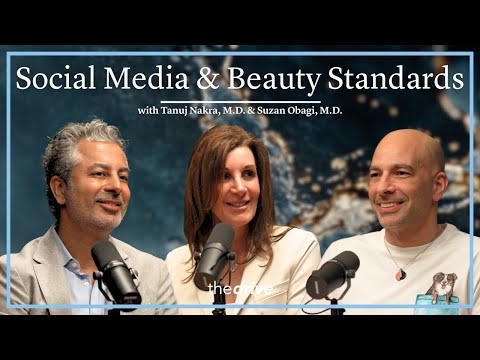
Link: https://youtu.be/MFDrptiROUE
Short Summary
Number One Action Item/Takeaway:
Doctors have a responsibility to educate patients, particularly young people, about the unrealistic and often harmful beauty standards perpetuated by social media trends, and to discourage them from pursuing irreversible or unnecessary cosmetic procedures driven by these trends.
Executive Summary:
Social media and influencers are significantly impacting perceptions of beauty, leading to concerning trends like teenagers seeking fillers and exaggerated surgical results. Doctors are seeing a rise in requests driven by unrealistic and filtered images, and must prioritize patient education and responsible practices over chasing fleeting trends. The long-term effects of fillers, especially when overdone, are often underestimated and can complicate future procedures.
Key Quotes
Here are five quotes extracted from the transcript that I found particularly insightful:
-
"It's great to see that they're making it okay to talk about enhancing your appearance or fixing something that bothers you. But where I draw the line is when they start putting out their transformations. And this trend now is something that everyone wants to emulate. And you're talking about young women changing physically changing their body drastically to conform to what you said is a trend which is exactly it. And trends as the word says are not permanent. So what happens when that trend ends?" - This highlights the temporary nature of trends and the potential long-term consequences of drastic changes driven by them, particularly for younger individuals.
-
"And so again, the family that Susan's mentioning in in California, they normalized over overdone lips to the point where people come in asking for it and we have to say, 'No, I'm sorry. This is not a good direction for us to take you in.'" - This quote emphasizes the direct influence of social media figures on patient requests and the responsibility of medical professionals to push back against potentially harmful trends.
-
"But they're now being told that even 18, for example, it's okay to start preventative Botox. You don't need that until you're a lot further along in age. So that's just an abject lie that they're being told." - This highlights a concerning trend of misinformation being spread about cosmetic procedures and their appropriate age of use, particularly targeting younger individuals.
-
"Decades later the companies will tell you that filler only lasts one year in the face and you have to refill it. That's definitely not true...we see I have patients coming in who don't mention that they've had fillers in the past, but then in surgery, I will see filler in their cheek or in their face because they had it eight or 10 years ago and it's still there. And it's stretching the ligaments. It's changing the structure of the tissues. It actually makes routine surgical procedures later more challenging." - This is a significant insight into the long-term effects of fillers and how they can complicate future surgical procedures, challenging the commonly held belief about their temporary nature.
-
"From a surgical standpoint there is a trend right now where people are asking for this high arched brow effect where it's a hyperexaggerated the tail of the brow comes up very high. It's called a snatched look. About once every week or two I've got someone who seriously wants to have their face distorted with a surgical procedure with me and I have to say I'm sorry we're not going to do that." - This exemplifies the concerning impact of social media on unrealistic beauty expectations and the ethical responsibility of doctors to refuse procedures that are detrimental to the patient's appearance and well-being in the long run.
Detailed Summary
Okay, here's a summary of the YouTube video transcript, organized into bullet points, excluding sponsorship content:
Key Topics:
- The Impact of Social Media on Beauty Trends: The video focuses on how social media, influencers, and filtered images are drastically altering perceptions of beauty and driving trends in cosmetic procedures.
Arguments and Information:
- Evolution of Beauty Standards: 25 years ago beauty trends were based on magazines, but now social media, especially influencers, have become a primary driver.
- Kardashian Effect: The influencers are normalizing overdone features, leading to unrealistic and potentially harmful expectations, especially among young women.
- Trend Reversibility: The panel warns against following trends that might be difficult or expensive to reverse. Celebrities can afford to undo procedures, but many young people cannot.
- Exaggerated and Filtered Images: Social media images are often filtered, altered, and taken at specific angles to create a distorted and unrealistic view of beauty. This can lead to body dysmorphia and unrealistic expectations.
- Subconscious Posing: People adjust their appearance and posing for photos, even subconsciously, to appear more symmetrical and proportionate.
- Exaggerated Gender Traits: Social media normalizes exaggerated gender traits such as larger lips and wider eyes.
- Teenagers and Procedures: A concerning trend is the increasing number of teenagers seeking fillers and neuromodulators (like Botox) at younger ages, sometimes based on misinformation (e.g., preventative Botox at 18).
- Beauty Pressure: Beauty pressure driven by social media affects young people at a very young age (12-13).
- Distorted Self-Perception: Forward-facing cameras can distort facial features in photos, leading to self-consciousness about features that look fine in real life.
- Filler Overuse and Longevity: Fillers, while accessible, are often overused (over-volumization) and create unnatural results. Contrary to marketing claims, fillers can last for many years (8-10+), disrupting normal facial anatomy and complicating future surgical procedures.
- Hyaluronic Acid Metabolism: The metabolism of hyaluronic acid varies among individuals and how long the fillers last cannot be predicted.
- Surgical Trends and Ethical Considerations: Requests for extreme procedures, like "snatched" high-arched brows, are becoming more common. Doctors have a responsibility to refuse procedures that would distort a patient's face.
- Age of Consent: Patients under 18 are susceptible to beauty pressure and may not be able to provide full consent without parental guidance. Although, generally, cosmetic procedures on minors require parental consent.