[@joerogan] Joe Rogan Experience #2378 - Charlie Sheen
![[@joerogan] Summarizer](https://summaries.pages.dev/img/logo.webp)
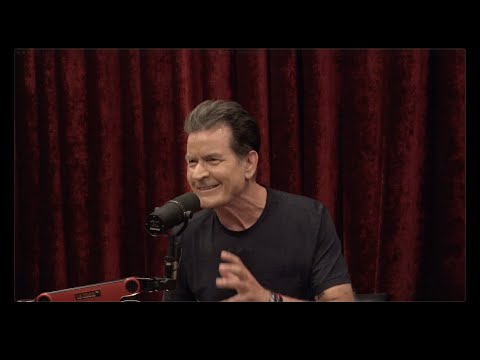
Link: https://youtu.be/sRj5pxG2JPk
Short Summary
Okay, here's the requested information based on the Joe Rogan podcast transcript:
Number One Action Item/Takeaway:
The conversation highlights the importance of cultivating meaningful discourse and understanding across ideological divides, especially in an increasingly polarized society, and to remember common humanity in the face of disagreement.
Executive Summary:
This podcast episode explored a range of topics, from Charlie Sheen's personal struggles with fame, addiction, and sobriety to conspiracy theories surrounding the Kennedy assassination and the influence of government manipulation on cultural movements. Sheen's insights emphasize personal responsibility, the dangers of seeking external validation, and the value of authentic human connection. Ultimately, the episode was marred by the news of a senseless act of violence on Charlie Kirk.
Key Quotes
Here are 5 quotes that I found particularly valuable from the transcript:
-
"It is yeah, I the worst kind of reinforcement. Yeah, it was like uh unintentionally or otherwise celebrating the the a guy's demise, right?" - This quote offers a poignant perspective on the public's fascination with Charlie Sheen's "meltdown," suggesting it was fueled by a morbid curiosity and perhaps even a subconscious desire to see him fail.
-
"And I and I'm, you know, really realizing it was wasn't about the job, wasn't about Chuck. It was it was about all the stuff in my personal life, you know, it was about trying to just be be a certain guy at work, be a certain guy at home, and then just never having the time to be a certain guy with me. And I just I just couldn't I couldn't find any place to to f find any refuge or solace or any type of just a moment to breathe to just to decompress, you know?" - This quote provides valuable insight into the underlying reasons for Sheen's struggles, highlighting the pressure of maintaining multiple personas and the lack of self-care.
-
"I don't think anybody but Charlie Sheen knows what it's like to be Charlie Sheen. And in my estimation, there are a scant few people that have become massive superstars at a young age and came through it sane." - Joe Rogan offers a sobering reminder of the unique pressures and challenges faced by those who achieve massive fame at a young age, suggesting that it's nearly impossible to navigate such a situation without some form of breakdown.
-
" And I I said, "If I if I go back there, I just I got a I got a bad feeling, Mark. Why going back to work would send you off the rails?" just that I had run up against a thing that I I had lost passion for the show. I'd lost passion for the process. Okay. So that if you went and just did it just for the money, you would find some ways to stimulate yourself. Exactly." - Sheen articulates the dangers of pursuing work solely for financial gain, explaining how a lack of passion can lead to self-destructive behaviors as a means of finding stimulation.
-
"It's hard to ask for help when when somebody else has raised your hand for you." - This quote succinctly captures a potential downside to interventions, suggesting that individuals may resist seeking help if they feel they are being forced into it by others.
Detailed Summary
Okay, here's a detailed summary of the Joe Rogan Experience podcast episode featuring Charlie Sheen, based on the provided transcript:
-
Introduction and Initial Pleasantries:
- Rogan and Sheen express pleasure in finally meeting, remarking on their paths not crossing earlier given their similar circles.
- Sheen explains his avoidance of red carpets, premieres, and parties due to the artificiality and "radiation" of the attention.
- Rogan empathizes and shares his similar avoidance of such events.
-
Critique of the Red Carpet Experience:
- They criticize the orchestrated nature of red carpet events, the demanding photographers, and the often unflattering photos chosen by the media.
- Sheen expresses discomfort with people who genuinely enjoy the artificiality of such events.
- They view the red carpet as unnatural and a form of "mental illness exhibition."
-
Nostalgia for Early Podcast Days:
- Rogan recalls tweeting about wanting Sheen on his podcast back in 2011.
- They reminisce about Rogan's early podcast episodes, done at his home with friends, which he had to stop to not bring "weirdos" near his young children.
-
Charlie Sheen's "Going Off the Rails" Period:
- Rogan raises the topic of Sheen's highly publicized drug-fueled period ("Tiger Blood," "Winning," etc.).
- Sheen admits it was "the worst kind of reinforcement" and felt like a spectacle inviting people to witness his "demise."
- He felt like he was playing a role without knowing the plot, co-stars, or if anyone would provide him with a "rewrite".
- Sheen acknowledges his behavior had a "bullying" energy, fueled by cocaine and excessive testosterone use, and regrets how he treated people.
-
Cocaine and Testosterone:
- Sheen describes using testosterone cream in excessive amounts, acknowledging the risks of transfer to others (mentioning the story of a child experiencing premature development due to exposure).
- He describes the combination of testosterone and cocaine as creating "hubris and a lot of rage."
-
Personal Turmoil and Accountability:
- Sheen explains his rage wasn't about his job or conflict with Chuck Lorre, but stemmed from personal issues, divorces, and a lack of time for self-reflection.
- He takes responsibility for his choices and emphasizes the role of personal choices in his life's narrative, noting the need for "refuge and solace".
-
Relationship with Chuck Lorre:
- Sheen reflects on his behavior toward Chuck Lorre (creator of Two and a Half Men), acknowledging Lorre only asked him to be responsible and do his job.
- He expresses gratitude for the opportunity to reconcile with Lorre on a later project.
-
The Bizarre Nature of Fame:
- Rogan argues that it's impossible for anyone but Charlie Sheen to understand what it's like to be Charlie Sheen and the experiences that he has had.
- Rogan describes how fame is an "alien world," and only celebrities can relate to each other's experiences. He also mentions how celebrities have to rely on the expert for certain complicated things, and not just each other.
-
Human Brain Functionality and Memory:
- The conversation shifts to the unreliability of memory and the possibility of false memories.
- They discuss how memories can be altered by narratives, repetition, and other people's accounts.
- Eyewitness accounts during traumatic events are deemed unreliable.
-
The JFK Assassination:
- Rogan and Sheen delve into the JFK assassination, discussing the Warren Commission, conspiracy theories, and inconsistencies in the official narrative.
- They question the single bullet theory, the autopsies, the motives of involved parties, and the suspicious deaths of witnesses.
- They discuss the Zapruder film and Jolly West's involvement.
-
The Manson Murders and Cultural Shift:
- The conversation turns to the Manson Family and the book "Chaos," exploring the possibility of Charles Manson being a CIA asset.
- They discuss the theory that the Manson murders were engineered to demonize the peace, love, and anti-war movements of the 1960s.
- Rogan's wife's mom was in the Hate Ashbury Free Clinic, a free clinic that closed shortly after Tom O'Neil's book came out.
-
Stardom Before the Internet:
- Rogan points out that Sheen became hugely famous at 21 without the internet, which is a very different world from current day.
-
Returning to Work: Passion and Sobriety:
- Sheen emphasizes the importance of having enthusiasm for one's work and the pitfalls of being constantly engaged without time for decompression.
- Rogan asks Sheen what it was like being in "Platoon". Sheen notes the script didn't read like it was going to be a masterpiece, and explains how they had to film it from page one to the final day, and how when people died in the film they were sent home.
- Sheen describes being in "Platoon" 10 years after being in the Philippines.
-
Apocalypse Now and Oliver Stone:
- They discuss Apocalypse Now, it's impact, and its complexities and scope.
- They talk about Oliver Stone's role in the film.
-
Sobriety and Second Chances:
- Sheen states that he doesn't view his new projects as a comeback, but a "reset."
- Sheen has been sober for eight years, and that this helped him accomplish many projects.
- Sheen describes his relationship with AA and that he does it on his own.
- Sheen recalls the details of why and how he got sober.
-
Understanding Addiction:
- Rogan and Sheen talk about the draw of drugs.
- Sheen talks about the story of Sandy and how that made him want it.
- Sheen talks about the moment that made him feel like he had to get sober.
-
Meeting Jack Nicholson and Rodney Dangerfield:
- The two briefly recall Jack Nicholson and Rodney Dangerfield, and their interactions with them.
-
Tragic News of Charlie Kirk's Death:
- The podcast abruptly shifts to address the shocking news of Charlie Kirk's shooting.
- Both Rogan and Sheen condemn the violence, expressing horror at the reported circumstances and the potential for celebration of such an act.
- Rogan reads the news that the death was the result of "a supporter shooting their gun off in celebration".
- The two discuss how Trump was almost assassinated and how lucky he was.
-
Division and Bot Influence:
- They lament the extreme division in the country and how it is exacerbated by bots and external influence.
- Sheen and Rogan discuss a world that lives and profits off that violence.
- Rogan gives credit to Charlie for being a "courageous".
-
End of Show Pleasantries:
- Rogan and Sheen thank each other and end the podcast on a somber note due to the news of Charlie Kirk's death.