[@SensiblePrepper] Are Preppers Crazy?
![[@SensiblePrepper] Summarizer](https://summaries.pages.dev/img/logo.webp)
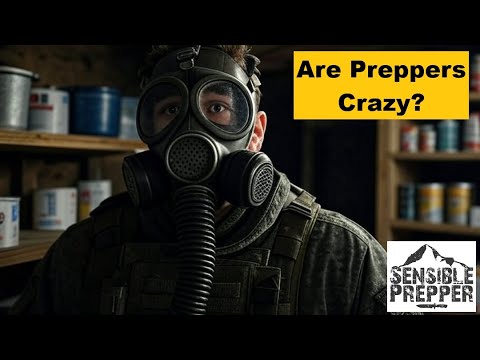
Link: https://youtu.be/qNKI5hZwXXk
Short Summary
Number One Takeaway:
Strive for balance in your prepping efforts to avoid paranoia and burnout, ensuring preparedness becomes a sustainable lifestyle that enhances your ability to help others and make sound decisions during crises.
Executive Summary:
This video emphasizes the importance of sensible prepping, advocating for a balanced approach that includes practical preparations while avoiding paranoia and delusional thinking. It highlights the need to integrate preparedness into a sustainable lifestyle that allows for clear thinking, community support, and a willingness to assist others during times of crisis.
Key Quotes
Here are five quotes from the transcript that offer valuable insights and interesting viewpoints:
- "If you are a prepper, you don't want to necessarily for all your neighbors and everybody to know that you're prepping because that is something that you're doing and you're having the supplies, you're preparing, you're doing things and you don't necessarily want for the whole community to know." - This quote highlights a common concern among preppers: avoiding unwanted attention and potential risks during a crisis.
- "There's nothing stopping me if I look down at you and your brother and sister and and Shannon and I go, you know, they're hungry. They don't have food. There's nothing stopping me from going up and down our road and just taking whatever I want... So, this just keeps me from the temptation of doing that if it's a grid down situation...It's insurance." - This provides a compelling, morally grounded explanation for prepping beyond just personal survival. It emphasizes preventing the speaker from acting against their own values in desperate situations.
- "10% of all adults consider themselves preppers of some in some degree. That's that's a pretty large number of people." - This data point reveals the surprising prevalence of prepping in the US, suggesting it's more mainstream than commonly perceived.
- "Prepping buys you time. That that's the big message is prepping just buys you time to not panic, to not be over worried, to not get paranoid." - The speaker explains that prepping buys time and provides a way to avoid getting caught in a "panic"
- "Listen be careful though if you're very conservative be careful not to just get locked into that. look at some of the more open progressive and it'll help you to kind of balance a little bit and a lot of times it'll help you to go what the heck were they thinking and so you know that's I think one of the things is is to give it some balance with the different news sources you're living to or or listening to." - The speaker suggests that it is better to have more information from various sources in order to develop more balanced ideas.
Detailed Summary
Here's a detailed summary of the YouTube video transcript in bullet points:
Key Topics:
- Are Preppers Crazy?: Addresses the common perception of preppers and explores different viewpoints, ranging from casual interest to extreme paranoia.
- Sensible Prepping: Advocates for a balanced and rational approach to preparedness, emphasizing practicality and avoiding fear-driven behavior.
- Reasons for Prepping: Discusses various motivations for prepping, including religious beliefs about the end times, growing up during the Cold War, and concerns about current societal issues.
- Degrees of Prepping: Categorizes different levels of preparedness, from basic disaster preparedness to full survival mode and beyond, including the move toward homesteading.
- Dangers of Prepping: Highlights the potential mental and emotional pitfalls of excessive prepping, such as paranoia, antisocial tendencies, and detachment from reality.
- Practical Prep Tips: Offers actionable advice on essential preps like water storage, fire starting, food supplies, self-defense, and medical provisions.
- Community and Helping Others: Stresses the importance of community involvement and willingness to assist others, cautioning against a purely self-serving approach to prepping.
- Threat Assessment: Advocates for a rational evaluation of potential threats specific to one's location and circumstances.
- Impact of Media: Focus on being aware of social media and news which often causes 'doomscrolling'
Arguments and Information:
- Changing Perceptions of Prepping: Acknowledges that prepping has become more mainstream in recent years, with a significant percentage of adults identifying as preppers.
- The "Why" of Prepping: Personal anecdote about explaining prepping to his son as a way to avoid being tempted to take from others in a crisis.
- Prepping as Insurance: Views preparedness as a form of insurance, providing security and peace of mind in uncertain times.
- The Problem with Panic: Emphasizes that panic is a prepper's worst enemy, leading to irrational decisions and hoarding.
- Importance of Kids Being On Board: Kids knowing and understanding the reasons why the family preps are vital.
- The Rule of Threes: Refers to the "rule of threes" (air, shelter, water, food) as a framework for prioritizing preps.
- Prepping Buys You Time: The primary benefit of prepping is buying time to make better decisions in a crisis.
- Balance Over Extremism: Encourages a balanced approach to prepping, advocating for a sustainable lifestyle that integrates preparedness into everyday life.
- Practicality vs. Paranoia: Distinguishes between sensible preparations and extreme, paranoid behavior, urging viewers to stay grounded and rational.
- Homesteading as the Next Step: Suggests homesteading (gardening, raising animals) as the ultimate step for those deeply concerned about long-term survival.
- Discussion of Water Storage: Mentions rotating water every six months, but stresses the need for long-term solutions like rain catchment or a well.
- Community is a Key Part of Survival: A Prepper Group will be beneficial to survival.
- Different Tiers of Prepping: Talks about prepping for different situations such as storm preppers, self defense preppers, and survival minded preppers.
Other Information:
- Mentions Argentina economic collapse and recommends a book to educate people on this event.
- Recommends canned food as a great food supply due to canning technology.
- Advocates for everyone to be aware of the government FEMA information.
- Give details to a story when Covid hit, he had prepared and didn't need to panic.