[@joerogan] Joe Rogan Experience #2353 - Shaka Senghor
![[@joerogan] Summarizer](https://summaries.pages.dev/img/logo.webp)
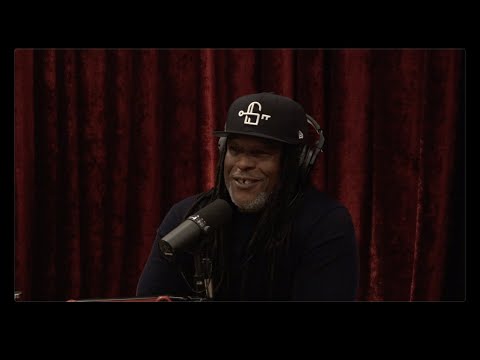
Link: https://youtu.be/2x9r4E5_5EQ
Short Summary
Number One Takeaway: Embrace gratitude and self-reflection, regardless of circumstances, as tools for personal growth and freedom.
Executive Summary: This Joe Rogan podcast features an interview with a formerly incarcerated man who details his difficult childhood, life of crime, and eventual imprisonment for murder. While in prison, he turned his life around through literacy, self-reflection, and a commitment to personal growth, highlighting the transformative power of education, vulnerability, and gratitude.
Key Quotes
Here are 5 quotes from the podcast transcript that offer valuable insights:
-
"There's a difference between solitary and solitude. And like solitude is something that I think that all of us should explore more broadly in our lives. Um we all just need time to get away from even the most positive aspects of our life. Sometime you need to step back because it allows you to have even deeper gratitude." (This quote highlights the distinction between forced isolation and intentional reflection, suggesting the latter is a beneficial practice for everyone.)
-
" I was lucky. And I was lucky because I was literate. And like the average reading grade in prison is about third grade. And I wouldn't be here with you right now if I didn't know how to read. Like I would not be the person that I am today." (This is a powerful point about the transformative power of literacy and the disadvantage faced by those who lack it, especially within the prison system.)
-
"...I had all these traumatic things that happened to me as a kid, but I also had caused a lot of hurt. And I did a lot of things that really was like, "No, actually, you probably are a bad person." (This quote demonstrates self-awareness and acceptance of personal responsibility.)
-
"We should be able to earn the trust of society back, you know. I think you got to put the work in, you know. I don't think that anybody should just be handed a free card. Um, but I think you should be given opportunity to prove yourself, you know, that you can contribute and that you want to contribute. " (This quote demonstrates the speaker's belief in the possibility of redemption and second chances, but also emphasizes the importance of hard work and accountability.)
-
" ...There are so many people out here in society who's never been in a prison cell who are psychologically, emotionally, and mentally incarcerated. And they're incarcerated by heartbreak. They're incarcerated by shame, grief, anger. I mean, I've met people who have it all. They have the best job in the world. They have more money than they will ever be able to spend. And there's a thing from their life that does not allow them to be fulfilled." (This observation broadens the definition of imprisonment and touches on an important theme of fulfillment in modern life.)
Detailed Summary
Here's a detailed summary of the Joe Rogan Experience podcast transcript, focusing on the guest's story and excluding advertisements:
-
Early Life and Abuse:
- The guest grew up in Detroit in a working-class household with a father in the Air Force and a homemaker mother.
- On the surface, it looked like a stable home, but it was actually an abusive household.
- He was an honor roll student with dreams of becoming a doctor to help people.
-
Running Away and Street Life:
- Ran away from home at 13.
- Encountered a harsh reality of street culture on the east side of Detroit.
- Was robbed at gunpoint by a man named Tiny, losing his money and drugs.
- Experienced the loss of innocence and the dangers of the street.
- His childhood friend was murdered, and he was nearly beaten to death, but he continued selling drugs.
- Recalls making a lot of money and buying all the cereal he could, which he couldn't always get at home.
- Crack cocaine heavily impacted the community.
-
Getting Shot and a Turning Point:
- At 17, was shot multiple times in a minor conflict on March 8th.
- The ambulance never came, and a friend had to drive him to the hospital.
- Doctors removed two bullets but left one in his leg.
- His father's defeated look at the hospital, as he was the third son to be shot, struck him deeply.
- Experienced anxiety and fear after the shooting.
- Started carrying a gun every day, telling himself he would shoot first if in conflict again.
-
Tragic Outcome and Incarceration:
- 14-16 months later, at 19, he was DJing a party when shots rang out.
- Afterward, an argument escalated, and he fatally shot a man.
- Felt immediate remorse and that he had crossed a line.
- Arrested and charged with open murder.
- Convicted of second-degree murder and sentenced to 17-40 years in prison.
-
County Jail Experience:
- Introduction to a violent and testing environment.
- Cellmate serving life taught him what to expect.
- Tried to escape from the county jail with a group, but they were caught.
- Charged with attempting escape and put in solitary confinement.
-
Prison and Solitary Confinement:
- Sentenced and began prison sentence believing he'd never get out.
- Did a total of 19 years, with 7 years in solitary confinement.
- Describes solitary as barbaric, chaotic, and affecting mental health.
- Prisoners would wage "wars" with feces, flood cells, and self-harm.
- Details the unsanitary conditions, limited showers, and biohazards.
- Transferred to 11 different prisons during his 19-year sentence.
-
Maintaining Sanity and Finding Purpose:
- Feared losing his mind most of all.
- Structured his days like university, studying philosophy, history, and reading.
- Credits literacy for his ability to cope and thrive.
- Used books to stay inspired, particularly works by Nelson Mandela and "As a Man Thinketh" by James Allen.
- Worked out in his cell using calisthenics and improvised weights.
- Engaged in fights, assault and other behaviors, as he didn't think he'd ever get out.
-
Incidents Leading to Solitary:
- First time: Assaulting a neighbor to steal his goods due to lack of funds.
- Second time: Slapping a disrespectful inmate with a tray of mashed potatoes and gravy.
- Third time: Assaulting an officer who pushed him, resulting in the officer's trachea being broken.
-
Despair and Turning Point with Son's Letter:
- After the assault on the officer, he was transferred and faced hostility.
- Felt vulnerable and like he'd never get out.
- A letter from his son, who learned he was in prison for murder, triggered a turning point.
- Decided to turn his life around for his son.
- Started journaling, asking himself how he ended up there and realizing he had trauma and had caused hurt.
- Recognized he was a "consmate quitter" and challenged himself to finish one thing.
-
Writing a Book and a New Path:
- Decided to write a novel in 30 days using a flimsy plastic pen.
- First novel was about a girl who played street basketball, inspired by street literature.
- Felt a sense of pride and accomplishment.
- Sent his book out for feedback and got a positive response from his brother.
- Wrote a second book and began a third, but fell into a deep depression.
-
Warden's Letter and Release:
- Refocused on getting out of solitary by seeking help.
- Wrote a philosophical letter to the warden, explaining his intention to mentor and write, if released.
- The warden advocated for his release, which took two years.
- Released from solitary and typed up his handwritten books.
- Mentored other inmates and tutored those who couldn't read.
- Self-published his first book from prison in 2008, saving money hustled on the yard.
- The prison sued him for the cost of his incarceration and tried to take the royalties from the book.
- Used contractual law to backdate a contract to only receive 10% of royalties, and avoid having to pay the state.
-
Life After Prison:
- Describes it as difficult to acclimate to normal society and life.
- Used the skills he'd developed to learn, mentor and promote his books after release.
- Sold books from the trunk of his car, going from park to park, bar to bar.
- Was a fellow at MIT Media Lab, working on the Atonement Project, using technology and art for restorative justice.
- Created a prison "hackathon" to challenge students to solve problems like making a tattoo gun and stinger out of meager materials.
- Highlights the wasted talent in prison, as criminals are more than just "criminals."
- Emphasizes the importance of rehabilitation.
-
The Prison System's Flaws:
- Criticizes the lack of rehabilitation in prisons and the system's punitive nature.
- Addresses the hardships faced by correctional officers, who also suffer in that environment.
- Points out the exploitative nature of prison phone call costs.
-
Appreciation and Gratitude:
- Emphasizes the appreciation for freedom and the beauty of his mind.
- Stresses the importance of gratitude and its role in his own life, helping him live a full, rich life.
- Inspired by his own journey to write "How to be Free", to help others find freedom from psychological and mental barriers.
- Recognizes the challenges that still exist as a formerly incarcerated person regarding travel restrictions, insurance coverage etc.
- Highlights the power of presence and intention to connect with those around you.
-
Inspiration from Athletics and Connection with Sports
- Emphasizes the beauty and inspiration that can be found from observing athletes who put their body and souls into their work.
- Recognizes the potential that it holds to inspire others and translate to one's individual work.
This summary captures the core narrative and key themes of the podcast, omitting the specific advertisements and sponsor mentions.