[@PeterAttiaMD] 378 ‒ Women’s health & performance: how training, nutrition, & hormones interact across life stages
![[@PeterAttiaMD] Summarizer](https://summaries.pages.dev/img/logo.webp)
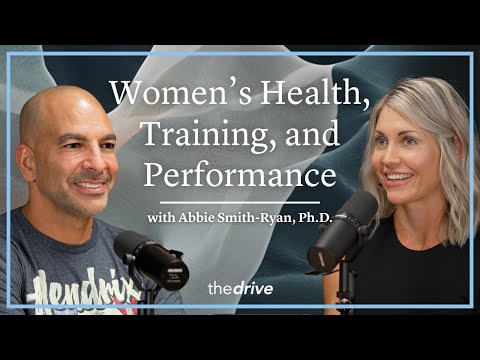
Link: https://youtu.be/CDsH60jt34o
Duration: 144 min
Short Summary
This episode features Dr. Stacy Sims, an exercise physiologist and former D2 collegiate distance runner who has spent 15 years researching female athlete performance through DEXA scan research at UNC Charlotte. The conversation covers how women can train effectively across all menstrual cycle phases by adjusting recovery and nutrition strategies, particularly during the luteal phase when metabolic rate increases by 200-300 calories per day, while also addressing perimenopause transitions, GLP1 agonists for weight loss, and evidence-based resistance and HIIT protocols for time-constrained women.
Key Quotes
- "Osteoporosis is a childhood disease." (00:02:02)
- "We can train at any given time in our cycle." (00:15:13)
- "You can gain strength and muscle at any age." (00:57:01)
Detailed Summary
Episode Overview
This episode features Dr. Stacy Sims, an exercise physiologist and former D2 collegiate distance runner who has spent 15 years conducting DEXA scan research at the University of North Carolina at Charlotte on female athlete performance. Host Peter Attia interviews Dr. Sims about the menstrual cycle's impact on training, recovery, body composition, and long-term health outcomes for women across the lifespan, covering topics from cycle-aware training strategies to perimenopause transitions, GLP1 agonist use, and evidence-based resistance and HIIT protocols.
Menstrual Cycle and Athletic Performance
Dr. Sims explains that women reach their genetic ceiling for bone density around age 19, making osteoporosis fundamentally a childhood disease rather than an adult-onset condition.
- Intense exercise can delay menstruation onset, particularly in gymnasts, runners, swimmers, and cyclists, which negatively impacts bone density due to delayed estrogen onset.
- Nearly every gymnast and high jumper scanned at UNC Charlotte shows spinal curvature, with many unaware until examined via DEXA scan.
- Losing the menstrual cycle is often treated as a "badge of honor" in sports despite being related to nutrition and energy deficiency rather than athletic superiority.
- Amenorrhea is a late indicator of under-fueling or over-exercising; issues should be caught before losing the menstrual cycle entirely.
- Relative Energy Deficiency Syndrome (RED-S) occurs when women under-fuel during weight loss, creating similar symptoms to perimenopause when occurring alongside hormonal transitions.
Follicular Phase Performance (Days 0-14)
During the first portion of the cycle (follicular phase, days 0-5), FSH, LH, and estradiol are all low, and women experience greater carbohydrate oxidation and improved subjective performance.
- Women should consider hydration and iron loss due to menstrual fluid loss during this phase, which reduces oxygen carrying capacity for endurance athletes.
- The late follicular phase (days 7-14) shows rising FSH and estradiol with ovulation occurring—this is when women typically feel their best and peak performance may occur.
- Dr. Sims recommends slightly more carbohydrate during early follicular phase and eating regularly regardless of cycle phase to maintain energy availability.
- Peak performance capability remains intact during menstruation, and women will compete regardless of cycle phase when events are scheduled.
Luteal Phase Physiological Effects (Days 15-28)
Women typically feel worse during the luteal phase with increased fatigue, bloating, and impacted recovery and soreness, but metabolic changes create a complex picture.
- The progesterone crash in the final week drives emotional changes, thermoregulation changes, water retention, and greater inflammation.
- Women often feel worst while actually losing stored energy, but water retention masks this loss on the scale.
- The luteal phase creates a "perfect storm" for underconsumption due to increased cravings, feeling bad, eating less, and water retention obscuring true energy balance.
- Metabolic rate increases by approximately 200-300 calories per day during the luteal phase, representing a significant metabolic shift.
- Post-ovulation is a critical time for women to pay extra attention to protein intake due to reduced muscle protein synthesis (MPS) efficiency during this phase.
Luteal Phase Recovery Strategies
Recovery strategies should differ by cycle phase, with the luteal phase requiring more focus on inflammation management and protein breakdown prevention.
- Omega-3 supplementation at 2-3 grams helps downregulate inflammation during the luteal phase.
- Zinc and magnesium support vasodilation and sleep quality, both compromised during this phase.
- Creatine protocol involves 20g loading over 5 days, then 5g maintenance dose to pull water into cells and reduce edema.
- Caffeine addresses fatigue components specific to the luteal phase, helping overcome increased perceived exertion.
- Adequate protein intake above 1.6g/kg may prevent concerns about muscle protein synthesis efficiency during the luteal phase.
Perimenopause and Menopause Transitions
Perimenopause is identified by cycle irregularity and rising FSH; once FSH hits 10, a woman is entering perimenopause, which can last for years before final transition.
- In menopause, FSH rises to 25, 30, or 50+ depending on the individual and testing context.
- Day 5 FSH blood test (with day 1 being period start) is the recommended consistent timing for measuring hormonal transitions across the lifespan.
- Perimenopause causes significant changes to metabolism, muscle size, muscle quality, bone, and metabolic flexibility that tend to stabilize post-menopause.
- The perimenopause window (late 30s to 50s) represents the period when lifestyle behavior changes can have lifelong impact and improve health span outcomes.
- The SWAN (Study of Women's Health Across the Lifespan) study tracks women's health changes through menopause, while Severine Leone's group in Australia conducted longitudinal studies with muscle biopsies showing muscle quality changes begin most noticeably in premenopause.
Metabolic Flexibility and Training Optimization
Perimenopausal women become less metabolically flexible at moderate exercise intensity, representing a significant physiological challenge that can be addressed through training.
- Metabolic flexibility is measured using indirect calorimetry to detect the RQ (respiratory quotient) switch from fat to carbohydrate oxidation at the 0.85 threshold.
- Exercise stimulates metabolic flexibility regardless of hormones and age, making it a powerful intervention during perimenopause.
- High-intensity interval training accelerates lipid and fat oxidation more effectively than moderate continuous exercise.
- Post-exercise protein intake optimizes blood flow without blunting insulin response, improving metabolic flexibility after high-intensity work.
- Andy Galpin stated that hypertrophy of the type 2A muscle fiber is essentially the marker of aging—explosiveness and power peak in the 20s and decline first.
- The order of decline with aging is: power first, then strength, then hypertrophy last, making power preservation critical for fall prevention.
Training Protocols for Time-Constrained Women
For women with only 3 hours per week available, Dr. Sims provides specific exercise programming recommendations that maximize benefits within limited time constraints.
- Three 30-minute resistance training sessions (full body or push-pull split) form the foundation of the weekly program.
- One low-intensity cardio day supports recovery and cardiovascular health without adding significant time demand.
- One HIIT day provides metabolic stimulus and metabolic flexibility benefits; minimum recommendation is 1 day per week, with 2 days providing greater benefits.
- A 30-minute resistance protocol should use 6-8 reps at 60-80% 1RM with 30 seconds rest between exercises and 2 minutes between sets.
- HIIT protocol involves 10 sets of 1 minute on, 1 minute off at 90-110% intensity, creating significant metabolic stress.
- For busy mothers entering perimenopause, intensity and consistency are more important than volume for exercise benefits.
- With shorter training volumes (2x/week for 30 minutes), intensity becomes critical and near-maximal effort is required to avoid suboptimal results.
Resistance Training for Midlife and Older Women
Research demonstrates that women can maintain or gain strength at any age despite hormonal changes affecting muscle composition, challenging assumptions about inevitable decline.
- Belenda Beck's "Lift More" study in Australia showed older adults gained massive strength in 24 weeks doing barbell deadlifts, squats, and leg press.
- For a 70-year-old woman who's never exercised, hiring a personal trainer is highly recommended, starting with machine-based controlled stimuli rather than free weights.
- For an older female beginner with no current training stimulus, programs should add slightly higher stimulus than current activity level.
- A total body program focused on glute activation (banded work, leg press) helps prevent slips, trips, and falls, with lunge not advised as a starting exercise.
- Low-volume high-intensity training to failure is neurologically more taxing than higher-volume protocols, requiring appropriate recovery.
- People who have never exercised seriously do not understand how hard they need to push to achieve meaningful adaptations.
Body Composition and DEXA Scanning
DEXA scanning provides critical body composition data that standard metrics like BMI cannot capture, enabling targeted interventions for women at various life stages.
- A goal of 20 lbs net weight loss on GLP1 agonists should aim for no more than 5 lbs being muscle loss, preserving 15 lbs as fat loss to dramatically improve body composition.
- Target body composition improvement involves moving from approximately 35% to 20-22% body fat through strategic interventions.
- Target body fat percent should typically be 25th percentile or lower of NHANES normative data, not 50th percentile as many practitioners recommend.
- A hypothetical 40-year-old woman, 5'6" at 150 lbs with 30% body fat falls around the 30th percentile for her age group according to NHANES data.
- Women store fat initially in hips but as they age, redistribution occurs toward abdominal/visceral regions, increasing cardiometabolic disease risk.
- Resistance training must be prioritized during weight loss to maintain lean mass and improve muscle quality outcomes.
GLP1 Agonists for Weight Loss
GLP1 agonists represent a significant pharmaceutical tool for weight management, but require integrated lifestyle support to optimize body composition outcomes.
- Patients on GLP1 agonists need a new diet lower in calories but higher in food quality to compensate for reduced total energy intake and protect skeletal muscle.
- Most GLP1 users are not measuring body composition and not receiving proper nutritional and training counseling, leading to accelerated loss of muscle and bone density.
- RED-S occurring alongside perimenopause creates similar symptoms when women under-fuel during weight loss, a concern amplified by GLP1 use.
- Tirzepatide is significantly more tolerable than semaglutide, causing fewer gastrointestinal side effects in most patients.
- Before titrating GLP1 dose up, a lean mass indicator should be measured to assess composition changes.
- The preferred clinical approach is keeping patients on the lowest dose possible for as long as necessary to achieve goals.
- A key research gap exists: how to combine GLP1 drugs with minimal effective dose of exercise and nutrition so women can live their lives and feel good.
Protein and Nutrition Guidelines
Protein intake requirements during aggressive fat loss are significantly higher than standard recommendations, particularly for women prioritizing lean mass preservation.
- Protein intake of 130-150 grams daily (using goal weight as target) is recommended during aggressive fat loss phases.
- Approximately 30 grams of protein should be evenly spaced throughout the day to maintain optimal amino acid levels.
- Essential amino acids consumed around exercise workouts help optimize lean mass maintenance during training.
- Vegetarian women face greater difficulty reaching the 1.6-2g per kg protein target due to less bioavailable amino acid sources.
- Chronic time-restricted feeding in women can lower metabolism, disrupt hunger hormones, impair protein synthesis, and contribute to muscle loss over time.
- Both hosts discussed difficulty hitting protein targets during travel, with one noting missing both 1.6g per kg and 2g per kg goals for an entire week during international travel.
Pregnancy and Postpartum Considerations
Dr. Sims shared her personal experience through two pregnancies, providing data-driven insights into expected body composition changes during this life stage.
- Through both pregnancies, Dr. Sims experienced approximately 8% body fat increase without losing muscle tissue.
- It took approximately 6 months (measured at 3 months postpartum) to return to pre-pregnancy body composition after each delivery.
- Postpartum exercise timeline progresses from walking within a couple days to resistance training within a couple weeks and running within a few weeks after natural delivery.
- Postpartum nutrition priorities include liquid foods initially, then transitioning to protein shakes, omega-3 supplementation, and creatine support.
- Title IX was enacted in 1972, creating a generation of women with more lifetime exercise experience who are aging differently than previous generations.
Injury Prevention Strategies
Certain injury patterns are more prevalent in women than men, requiring targeted prevention protocols based on anatomical and hormonal differences.
- High hamstring tendonopathies are observed more in women than men, possibly due to post-pregnancy pelvic changes affecting biomechanics.
- ACL injuries in midlife appear higher in women, with some researchers attributing this to accumulated competitive sports participation from youth rather than gender alone.
- Hormone changes in active women may increase injury risk such as Achilles tendon tears, particularly relevant in military training contexts.
- Proper training including soleus and gastrocnemius exercises with strong range of motion and bouncing can reduce Achilles tear risk by approximately 80%.
- When a 65-70 year old misplaces their footing stepping off a curb, they lack the power to readjust and are very likely to fall, highlighting the importance of power preservation.
Hormone Therapy Considerations
Hormone therapy represents a significantly underutilized intervention that the speaker considers the greatest example of medical system failure in the last 25 years.
- Menopause hormone therapy has indirect effects on muscle—adding hormones may not increase muscle directly but could enable higher training volume and intensity.
- Inflammation increases during menopause when estrogen levels drop, though the precise mechanism is not fully established in the literature.
- High sensitive CRP is the key inflammatory marker studied in perimenopausal women not on hormone therapy.
- Joint pain experienced by many menopausal and perimenopausal women could likely be fixed by hormones in many cases, reducing unnecessary suffering.
- Rachel Rubin argued that post-menopause age (e.g., 60+ with 10 years in menopause) should not be considered disqualifying for hormone therapy.
- There is no evidence linking modern hormone therapy to increased breast cancer rates, contradicting old concerns based on outdated formulations.
- The old hormone formulations MPA and CE would never be used today; modern hormone therapy requires more knowledge and competence than many providers possess.
- Few providers are simultaneously willing and competent to offer hormone therapy, and a generational gap has created a window outside which some women now fall.
- Hormone therapy provides an independent benefit for women regardless of exercise habits, and combining it with lifestyle changes likely produces synergistic benefits.
Creatine and Supplementation Research
Dr. Sims's lab at UNC Charlotte is one of few conducting creatine research specifically in women, filling important gaps in the scientific literature.
- Creatine can be helpful for women but is not magic and not the first recommendation for midlife women without specific indications.
- Creatine pulls water into cells and reduces edema, particularly useful during the luteal phase when water retention is problematic.
- The 20g loading over 5 days followed by 5g daily maintenance represents the standard protocol discussed.
- Omega-3 supplementation of 2-3 grams provides anti-inflammatory benefits particularly relevant during high-inflammation phases of the menstrual cycle.
- Zinc and magnesium support both vasodilation and sleep quality, addressing multiple aspects of recovery simultaneously.
Transcript: Download plain text