[@RenaissancePeriodization] Nicotine for Fat Loss: Genius Hack or Deadly?
![[@RenaissancePeriodization] Summarizer](https://summaries.pages.dev/img/logo.webp)
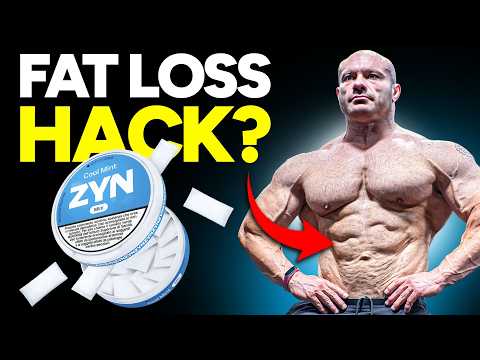
Link: https://youtu.be/6Xjo9zddF2Y
Short Summary
Number One Action Item/Takeaway:
Avoid smoking and chewing tobacco as these delivery methods for nicotine are overwhelmingly harmful due to combustion byproducts and other toxins. If nicotine use is desired, opt for lower-risk options like gum or pouches, keeping dosage modest and infrequent to minimize potential downsides like cardiovascular stress and addiction.
Executive Summary:
The video explores the history, effects, and risks associated with nicotine consumption. While nicotine can offer benefits like improved focus and appetite suppression, most of its negative health consequences stem from delivery methods like smoking and chewing tobacco. Safer alternatives like nicotine gum and pouches exist, but moderation is crucial to minimize cardiovascular risks and addiction.
Key Quotes
Here are five quotes extracted from the transcript that represent valuable insights and/or strong opinions:
- "How much of the negatives of nicotine are actually the negatives of the delivery vehicle? How much is it actually how you're taking in the nicotine that's bad for you versus the nicotine itself?"
- "It looks like 90% or more of the harm of quote unquote nicotine is actually driven by combustion. Smoking is the number one reason nicotine is bad for you."
- "Being on nicotine predictably increases your heart rate by like 10 beats per minute, which over the aggregate will shorten your lifespan. It increases your systolic blood pressure considerably...especially chronic heavy nicotine use tends to stiffen arteries. It blunts insulin sensitivity even without smoke. So very high use of nicotine is not good for you."
- "If you have a vape in your hand at all times, you 100% addicted to nicotine. There's no other way around."
- "Will nicotine get you addicted? Yeah, it's very likely. If you can control your use and use very little of it, can it have pretty good benefits without huge downsides? Yeah...Do most people use it in a way that's not safe? Yeah. Most people fuck it up because you just want to take more of it all the time. That's just kind of how it works."
Detailed Summary
Okay, here's a detailed summary of the YouTube video on nicotine, presented in bullet points, focusing on key topics, arguments, and information.
-
Introduction:
- The video explores the question: Is nicotine a fat-burning energy fuel or a harmful substance ("death rebranded")?
- Acknowledges the increasing popularity of alternative nicotine delivery methods (pouches, gums, etc.).
-
History of Tobacco/Nicotine:
- Tobacco cultivation began in the Americas ~6,000 years ago; initially chewed or smoked in pipes.
- Columbus brought tobacco to Europe in 1492; it became popular.
- Jean Nicot popularized it in France, giving the word "nicotine".
- Early forms included smoking through clay pipes and snorting "snuff."
- Nicotine isolated as a molecule in 1828.
- The Bonsack machine (1880s) enabled mass production of cheap cigarettes.
- Synthetic nicotine created in 1893.
- US Surgeon General in the 1960s linked smoking to diseases.
- Nicotine replacement therapies (gum, patches, nasal spray) emerged.
- Modern e-cigarettes perfected in 2003.
- Nicotine pouches gained popularity starting in 2016, with an explosion of alternative delivery methods in the 2020s.
-
Effects/Benefits of Nicotine:
- Neuro Stimulation: Activates nicotinic acetylcholine receptors, triggers dopamine and norepinephrine release.
- Result: Enhanced focus, faster reaction time, feeling "dialed in."
- Improves working memory and sustained attention, particularly in sleep-deprived individuals.
- Mood Boost: Increases serotonin and beta-endorphin levels, leading to mild euphoria and reduced perception of fatigue.
- Appetite Suppression & Metabolism: Slightly suppresses appetite and increases metabolism via thermogenesis (though tolerance develops).
- Fine Motor Steadiness: Unlike some stimulants (e.g., Clenbuterol), nicotine can provide steadiness.
-
Delivery Method vs. Nicotine Itself:
- Key question: How much harm is due to nicotine itself versus the delivery method?
- Smoking (Cigarettes, Cigars, Pipes): Worst method. Involves toxins like carbon monoxide, tar, polycyclic aromatic hydrocarbons, and combustion byproducts. Causes significant increases in lung cancer, COPD, cardiovascular disease, and infertility. 90%+ of harm from "nicotine" is driven by combustion.
- Chewing Tobacco (Dip): Second worst. Contains tobacco-specific nitrosamines and heavy metals. Causes oral cancers (lip, cheek, gum), receding gums, tooth loss, and gastrointestinal cancers.
- Vaping/E-Cigarettes: Lower risk than smoking, but still involves carbonyls (formaldehyde, acetaldehyde), ultrafine particles, and flavoring aldehydes. Emerging data shows endothelial stress and mild lung dysfunction.
-
Risks of "Clean" Nicotine Delivery (Pouches, Gums, etc.):
- Cardiovascular Stress: Increases heart rate (by ~10 bpm) and systolic blood pressure. Chronic heavy use can stiffen arteries.
- Insulin Sensitivity: Blunts insulin sensitivity.
- High Dosage Side Effects: High doses (6-12mg) via pouches can cause gum recession and mouth ulcers. Rising rate of mouth ulcers in teens noted by the CDC.
- Sleep Fragmentation: Nicotine intake in the evening can delay REM sleep.
- Harmful for Pregnancy.
- Unknown Long-Term Risks of newer products.
-
Addiction:
- Speed of reinforcement matters: Cigarettes (10 seconds), gums/pouches (5-15 minutes), patches (hours). Cigarettes are the most addictive.
- Genetics and age influence addiction. Younger brains (under 25) are more susceptible.
- Chronic use leads to tolerance.
- Consistent, all-day use (e.g., constant vaping) indicates addiction.
-
Harm Reduction Strategies (If Using Nicotine):
- If under 25, the recommendation is don't take it
- Use low-dose (2-4mg) gum or lower-dose pouches (3-6mg). Avoid high-dose pouches (12mg+).
- Prefer pouches or gums over vaping. Avoid smoking at all costs.
- Keep daily dose modest (under 10mg).
- Use nicotine strategically (e.g., 1-2mg before deep work) with spacing (90 minutes or hours between doses).
- Avoid use within 2 hours of bedtime.
- Aim for infrequent use throughout the day.
- Consider 3-week on, 1-week off cycles or weekday/weekend cycles to recycle receptor sensitivities.
- Avoid using nicotine with alcohol.
- Stay hydrated (nicotine is mildly diuretic).
- If addicted, use nicotine patches with gradually decreasing doses to wean off.
-
Concluding Remarks:
- Nicotine is likely to cause addiction.
- Controlled, low-dose use can offer potential benefits with minimized downsides.
- Most people misuse nicotine due to its addictive nature.
This summary captures the key points and arguments presented in the video.